Monday, June 13, 2016

What is the method whereby God wants us to use to bring about His Grace? What are the means?

June 13, 2016
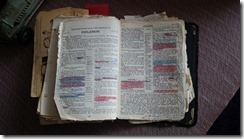
Charles-Bible-Scofield_thumb.jpg
Means of Grace: An action or system by which a result is brought about, a method: a way, a manner, a mode, a mesure, a technique, the purpose, the intention, the intent to compliment you on your work.
 
Denote those duties we perform for the purpose of improving our minds, affecting our hearts, and of obtaining spiritual blessings; such as, hearing the Gospel, reading the Scriptures, self-examination, meditation, prayer, praise, Christian conversation, etc.
Growing in Grace, that is growing more in our spiritual duties, by an increase of spiritual light and knowledge, by our renouncing self, and depending more upon Christ, by groiwng more spiritual in duties, by being more humble, submissive, and thankful, by rising superiour to the corruptions of our nature, and finding the power of sin more weakened in us, by being less attached to the world, and possessing more of a heavenly disposition.
 
The means are to be used without any reference to merit, but solely with a dependence on God, Christ and the Holy Spirit.
 
We can not ever expect happiness in ourselves, nor be good examples to others, living in the neglect of them.
 
It is vain to argue that the divine decree supercedes the necessity of them, since God has as certainly appointed the means as the end.
 
Besides, He Himself generally works by them, and the more means He thinks proper to use, the more He displays His glorious perfections.
 
Jesus Christ, when on earth used means: He prayed, he exhorted, and did good, by going from place to place.
 
Indeed, the systems of nature, providence and grace, are all carried on by means.
 
The Scriptures abound with exhortations to them, Matthew 5:1-48; romans 12:1-21 (21 ways we are to live) and none but enthusiasts or immoral charcters ever refuse to use them. I taught Matthew 5 to 7 with over 68 sermons. I used Romans 12 for over a year. I taught the 21 ways in which the Lord tells us to live to be able to be the kind of person He wants us to be. He does give His grace to all of His creation, the air we breath, for sure, etc. But special grace to His people He gives by means He has established in order to receive them.
 
From the Theological app on the phone I was giving this start in this paper.
 
God wants us to use the means which he has established for us to receive the grace needed to be the person He wants us to be.
 
We are not the example that others should be looking at for spiritual growth, its not the means whereby we grow in grace. Most of our experience is negative, self is usually the last thing you would want to use as an example. Why we spend so much talking about our self in life is what we do best that is for sure. So just how do we think that is going to bring glory to the Lord? It doesn't, it only gives reflection on us I guess.
 
When giving the history of our experience in ministry, we often refect on the negative, rather than express how the Lord has guided us, directed us, and protected us. We have only been the means whereby God has designed. The seed that we plant is God's Word, which is powerful and has growing power. The means is the "seed of the Word of God." God uses "means" to accomplish His purposes.
 
God's divine decree does not supercedes the necessity of the means whereby He as established to use to produce His desired will in our lives. In other words, the means whereby one is born again, for example, comes through the means of one hearing the Gospel. God could saved someone just by His action alone, which in a sense He does, but He uses the Gospel to give the understanding of what it means to be born again.
 
God could just give us what we need when we need it, simply by doing it, but He as designed the 'means" whereby we receive this "grace" from Him. He as designed the means of "prayer", He has designed that we "read and study the Word of God." He has called preachers and teachers to teach and give understanding where by we can grow in the knowledge and wisdom of God." He has designed "fellowship" with other believers so that we can grow thereby. He has given "spiritual gifts" to each believers in other that they might share those with each other.
 
God has establlished the means whereby we can grow in His Grace, and in Sanctification.
 
I am sure we can reflect on our ministry, we certalnly are not the role model for how to live life, we are such poor example. I am a poor example of a pastor, as the result will show. I don't want anyone to follow my example at all.
 
When I say that I follow the pattern of John MacArthur, for example, as I reflect upon this, its his ablity of preaching and teaching the Word. its not his personal life, for I don't have a clue really about his home life. What I have followed is his teaching the Word of God. Learning the means whereby he learns the Word of God. Its not the man we are to follow, its the Lord that he follows.
How is the best way to expess to others, how you follow Christ as Lord in your life is the role what we should desire to live. When we get finish with our talk, others should see that its all about Christ, we are only the means to give that to others.

Friday, June 10, 2016

Landscaping Update

 
Two rose bushes, hydrangea bush, today. Going to put down mulch next.
 
Great day cutting lawns, landscaping part of the driveway ,Charity had me buy some flowers, then I really planted them in the ground, where else. We went to Sam's yesterday and went over the top getting plants. I am so not good at this but it am learning.
 
I put down 80 feet of edging then put down gravel as a highlight. We put down 10 tons of gravel yesterday. The drive way is 300 feet by the way

Did People In The Bible Have Depression? Part One

Does The Bible Address People Who Had Depression
 

The Term Depression that Society uses today is not a term used in the Bible. 

Definition of depression:  (1) feelings of severe despondency and dejection. So do we have any example of people in the Bible that had this problem.  Yes, and we are going to look at some examples of those who had depression, but the terms are different.


We are going to look at several men came under this problem, and we are going to see why and what was the result of their problem. 

Cain may be the first clear example of depression in the Bible. Although Adam and Eve may well have been depressed after they sinned and then after they were driven from the Garden of Eden, the text does not explicitly address it. But it is clear that Cain was depressed, for God spoke to him about it:


NKJ Genesis 4:2b-7 "Now Abel was a keeper of sheep, but Cain was a tiller of the ground. 3 And in the process of time it came to pass that Cain brought an offering of the fruit of the ground to the LORD. 4 Abel also brought of the firstborn of his flock and of their fat. And the LORD respected Abel and his offering, 5 but He did not respect Cain and his offering. And Cain was very angry, and his countenance fell. 6 So the LORD said to Cain, 'Why are you angry? And why has your countenance fallen? 7 If you do well, will you not be accepted? And if you do not do well, sin lies at the door. And its desire is for you, but you should rule over it.'"


The Net Bible notes are correct in describing the meaning of the phrase that describes Cain's "countenance" (literally face) as having "fallen":
Heb "And his face fell." The idiom means that the inner anger is reflected in Cain's facial expression. The fallen or downcast face expresses anger, dejection, or depression. Conversely, in Numbers 6 the high priestly blessing speaks of the LORD lifting up his face and giving peace. (BibleWorks)

So the text indicates clearly that Cain was depressed and that his depression was connected to his anger, anger which the context leads us to believe was toward both God and Abel. He was clearly angry because God had not accepted his offering, which means that he was angry at God. But he was also clearly angry at Abel for having been accepted by God when he had not been, which is obvious from the fact that he murdered Abel (vss. 8-9).

So what can we learn from this example? I would suggest at least three lessons:
1) Depression can result from an unrepentant heart, such as when Cain refused to heed God's counsel and repent of his sinful heart. Cain wanted God to accept him, but only on his own terms. His prideful heart would not allow him to humble himself before the Lord. Instead of confessing his sin and seeking God's grace and forgiveness, he let his anger rule him until it led to murder.
2) Depression can result from unresolved anger. Cain became depressed because he was angry and refused to deal with his anger in the right way.
3) Depression can result from feelings of inadequacy and perhaps jealousy of someone else. In this case Cain felt he couldn't please God and was jealous of Abel's relationship with Him. But he could not see that the problem was not really his inadequacy; it was really his refusal to come to God on God's terms.

The cure for the depression Cain experienced is obvious from the causes, isn't it? All Cain had to do was confess his sin and ask for God's grace. But he refused to do so.

We can also learn from Cain's example that sometimes depression is a signal of pride and unresolved sin in a person's life. Sadly, most people today resent even the suggestion of this possibility when they seek help with depression. Yet, isn't this the very issue God Himself raised with Cain in response to his depression? Indeed it is, and it is the very issue many who struggle with depression need to confront in themselves as well. In fact, although I risk sounding insensitive to many, and even cruel to some, when I say this, nevertheless I must say that in my experience some of the most depressed people I have known are also some of the most prideful or angry people I have known. I include my own past struggles with depression in this assessment.

Now, I would of course never say that this is the only – or even the primary – reason for depression for many who struggle with it, but I do believe it is a far more common source of depression than many want to admit. And the reason they don't want to admit it is the very same reason that Cain didn't want to admit it, because they would rather blame God or some other person for their dilemma than take responsibility for themselves. This tendency toward refusal to take personal responsibility for one's actions or the state of one's own heart is a growing problem in our culture, and it has made significant inroads into the churches as well.

In addition, even where unresolved sin such as pride and anger are not readily identifiable as the source of one's struggle with depression, these sins are often present as a response to depression. I have dealt with many a person who responded to their struggle with depression by becoming angry at God, for example, and who have pridefully refused to let go of their anger, and it has only made their battle with depression even more difficult.

Therefore it is all the more important that we do not shirk from raising the issue of sin when dealing with depressed people. Although we may not know their hearts the way God knew Cain's heart, we do know that they were born sinners just as Cain was, and thus we also know that sin will likely be a crucial factor in their struggle with depression, whether as its source or as a complicating factor.

I WANT TO THANK THOSE WHO HELP WITH THIS MATERIAL.

Lets Take A Look At Depression from A Biblical Standpoint

Cain may be the first clear example of depression in the Bible. Although Adam and Eve may well have been depressed after they sinned and then after they were driven from the Garden of Eden, the text does not explicitly address it. But it is clear that Cain was depressed, for God spoke to him about it:


NKJ Genesis 4:2b-7 "Now Abel was a keeper of sheep, but Cain was a tiller of the ground. 3 And in the process of time it came to pass that Cain brought an offering of the fruit of the ground to the LORD. 4 Abel also brought of the firstborn of his flock and of their fat. And the LORD respected Abel and his offering, 5 but He did not respect Cain and his offering. And Cain was very angry, and his countenance fell. 6 So the LORD said to Cain, 'Why are you angry? And why has your countenance fallen? 7 If you do well, will you not be accepted? And if you do not do well, sin lies at the door. And its desire is for you, but you should rule over it.'"


The Net Bible notes are correct in describing the meaning of the phrase that describes Cain's "countenance" (literally face) as having "fallen":
Heb "And his face fell." The idiom means that the inner anger is reflected in Cain's facial expression. The fallen or downcast face expresses anger, dejection, or depression. Conversely, in Numbers 6 the high priestly blessing speaks of the LORD lifting up his face and giving peace. (BibleWorks)

So the text indicates clearly that Cain was depressed and that his depression was connected to his anger, anger which the context leads us to believe was toward both God and Abel. He was clearly angry because God had not accepted his offering, which means that he was angry at God. But he was also clearly angry at Abel for having been accepted by God when he had not been, which is obvious from the fact that he murdered Abel (vss. 8-9).

So what can we learn from this example? I would suggest at least three lessons:
1) Depression can result from an unrepentant heart, such as when Cain refused to heed God's counsel and repent of his sinful heart. Cain wanted God to accept him, but only on his own terms. His prideful heart would not allow him to humble himself before the Lord. Instead of confessing his sin and seeking God's grace and forgiveness, he let his anger rule him until it led to murder.
2) Depression can result from unresolved anger. Cain became depressed because he was angry and refused to deal with his anger in the right way.
3) Depression can result from feelings of inadequacy and perhaps jealousy of someone else. In this case Cain felt he couldn't please God and was jealous of Abel's relationship with Him. But he could not see that the problem was not really his inadequacy; it was really his refusal to come to God on God's terms.

The cure for the depression Cain experienced is obvious from the causes, isn't it? All Cain had to do was confess his sin and ask for God's grace. But he refused to do so.

We can also learn from Cain's example that sometimes depression is a signal of pride and unresolved sin in a person's life. Sadly, most people today resent even the suggestion of this possibility when they seek help with depression. Yet, isn't this the very issue God Himself raised with Cain in response to his depression? Indeed it is, and it is the very issue many who struggle with depression need to confront in themselves as well. In fact, although I risk sounding insensitive to many, and even cruel to some, when I say this, nevertheless I must say that in my experience some of the most depressed people I have known are also some of the most prideful or angry people I have known. I include my own past struggles with depression in this assessment.

Now, I would of course never say that this is the only – or even the primary – reason for depression for many who struggle with it, but I do believe it is a far more common source of depression than many want to admit. And the reason they don't want to admit it is the very same reason that Cain didn't want to admit it, because they would rather blame God or some other person for their dilemma than take responsibility for themselves. This tendency toward refusal to take personal responsibility for one's actions or the state of one's own heart is a growing problem in our culture, and it has made significant inroads into the churches as well.

In addition, even where unresolved sin such as pride and anger are not readily identifiable as the source of one's struggle with depression, these sins are often present as a response to depression. I have dealt with many a person who responded to their struggle with depression by becoming angry at God, for example, and who have pridefully refused to let go of their anger, and it has only made their battle with depression even more difficult.

Therefore it is all the more important that we do not shirk from raising the issue of sin when dealing with depressed people. Although we may not know their hearts the way God knew Cain's heart, we do know that they were born sinners just as Cain was, and thus we also know that sin will likely be a crucial factor in their struggle with depression, whether as its source or as a complicating factor.


Tuesday, June 07, 2016

Charles e Whisnant, Preaching and Teaching Experience Early Years


 Another post on my experience as a teacher and preacher
 
First just let me say, I am not a writer. 
 
I came to Bible Baptist Seminary in August 1966.  I could not wait to get started as a student at the Bible Baptist Seminary in Arlington TX.  Earlier that year, February my Dad died when I was in my last year of High School.   I was going to BBS before Dad died, and he was glad that I was going into the ministry.
 
The subject of this blog is about preaching in the first year preaching class.  Each year in the Speech class there was a preaching contest.  Dr. Walker Moore was the teacher of this class.  I really can't remember a lot about this class, but I know we were to preach a sermon and then the class would pick those who would continue to the next round.  I can not remember how many were in this preachers class.  But if I remember there were maybe between 50 and 60. ??? 
 
Well, there were I believe somewhere around five to seven rounds, and not sure about that either, it has been 50 years.   Well, I had the most votes for all the rounds,  Ron Brown was the counter of the class and that is what he told me.  Then the final two were chosen and they were to preach in the Chapel service.  And I was one and Bob Smith was the other. 
 
I remember that one of the sermons that used was from Lee Roberston's outline.  And than the other one I remember came from the Dickson Study Bible, an outline on Love had seven verses and outline.  I used that one.  
 
Well, the week just before we were to speak in Chapel, I went home over the Christmas break, and learned that the girl that I was to get married to, had just got married to someone else.  I was really heart broken.  Well, that had a bad effect on my, and when I got up to speak, I was a mess, and I just quite about have way through the sermon. 
 
Of course in my first year at Seminary, I had already been preaching and teaching in my Dad's church for 27 months, and then when to Fellowship Baptist Church, in Roanoke VA and was teaching in the youth class and preached at the church several times, and then on Radio.  Gene Arnold really was an encouragement to me.  (He by the way was the last one to be such an encouragement.)
covered  this topic of preaching many times.
 
I knew how to study for a sermon, that is I knew how to read from others and use their material and made it my own.  I was not afraid of studying for others.   I sometimes would just preach on a subject that I had heard someone else had preached.   But to say that I knew really how to construct a sermon, I had note learned that skill.  You know I was told that preachers really didn't have to study, they need to pray that the Holy Spirit would give them something to say when they preached.
 
Of course I never bought into that theory at all.  I would always want to study for a topic. If I were to teach from a book, I would want to study and read from others.   Those first years after Seminary I would use Dr. Martin's, or Gene Arnold or Dr. Barbers outlines that I took when I was in their church. 
 
I was told that all I needed was a English dictionary and the old KJV bible to preach a sermon.  Well of course you could preach a sermon but most of the time it was not from a passage of Scripture either. 
 
I never had the spiritual insight into the Word of God in a way that I could get it without doing a lot of research.  I have covered this topic as well.
 
Since I am not skilled in a lot of areas, I have had to rely on others to make it possible for me to preach and teach correctly.   
 
I have learned to use some really good technical research books to help me get to the bottom of the Word of God.  Oh I could research topics well, on just about any general topic that I want to use. But most of them was not within the context of the Scripture.
 
I certainly could develop some good teaching points of course,  but it was not necessary within the context of any scripture.
 
I don't believe that I had heard many sermons that was really from the passage of Scriptures in the first place.  Many of the preachers would preach a sermon that was to their liking and what they wanted to say, but it was not within the context of the scripture.    The sermons were good points of course and where most likely right, but they didn't not prove it by scripture.
 
Topical preaching or teaching  to many is not explaining any passage of scripture within its context but only preaching what they wanted to say to the people that was hearing them preach.  Beside preaching was not teaching, it was preaching loud, and hard, and saying what you want to say.
 
I had heard good preaching from good preachers by the way.  Oliver B Greene was great at teaching.  J. Vernon McGee was another great teacher.  Several good radio preaching we would listen to. So I had heard good bible teaching, and that was really what I want to do. 
 
I was no Billy Graham, he was an evangelist,  Lester Reloff was an evangelist,  they were not pastors and teachers.  I didn't want to be an evangelist.
 
I wanted to preach like Charles Spurgeon.  Only I didn't now how.  It was a sin to read books and learn from them and study other material other than reading the KJV and having a dictionary figure out what the words meant.  Boy was that wrong.. Old of course you can preach a sermon that way, but most of the time it was not a biblical sermon.
 
I am only speaking for my self and my experience, I am sure there are good preachers and teachers.
 
Well I will cut this off, but what I am saying I need to use as much material as I can to get to the truth of any book I preach.  I am not happy just to read Romans, or Matthew or Acts and not to get as much out of each verses that I can.  I want to know that the Book is about, what was meant by what they meant it when they wrote it.  I have always want to study in detail all that I could get.  I loved the Thompson Chain Reference Bible and all its notes, that was the best even before I went to Seminary.
 
Okay that is enough until the next time.


Featured Post

Did Jesus Die For All Men

Did Christ Die for all Men or Only His elect?   The following is a written response to a brother with the following question about l...